Last Updated on November 22, 2025 by David
Discover Expert Strategies in the Comprehensive Article: “Deep Cleaning Quarry Tiles: Removing Decades of Grime”
- Quarry tiles in older homes often conceal decades of stubborn dirt, particularly in high-traffic areas like kitchens and utility rooms where oils, wax, and dirt have embedded into the porous surface, creating a challenging cleaning scenario.
- Implementing industrial cleaning techniques is essential for a complete restoration, utilizing specialized tools such as rotary scrubbers, alkaline degreasers, and dwell-based strippers like LTP Solvex to effectively break down tough grime layers for optimal tile care.
- Sealing after cleaning is crucial, as breathable penetrating sealers protect the tile without altering its appearance — or topical sealers like LTP Ironwax Satin for those seeking a glossy finish, provided moisture issues are absent to maintain the floor’s integrity.
- DIY maintenance after restoration is simple, with regular dry sweeping and the use of pH-neutral cleaners helping to maintain the finish and prevent future dirt buildup, ensuring long-lasting beauty and hygiene.
Why Is Deep Cleaning Critical for Revitalizing Your Older Quarry Tile Floors?
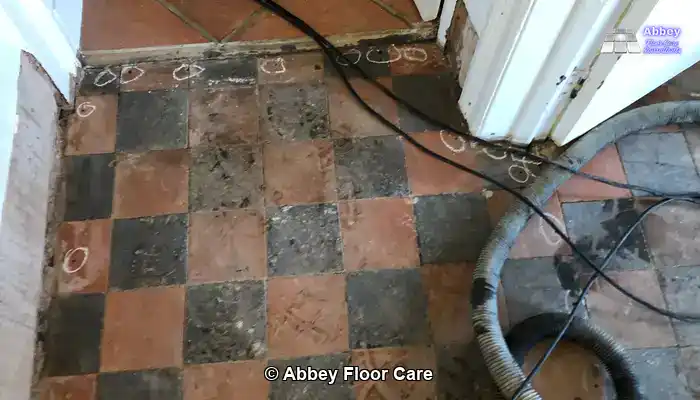
Quarry tiles are renowned for their durability, yet in many older homes, they have absorbed oils, waxes, and dirt over the years, creating a challenging scenario for homeowners. Particularly in kitchens and utility rooms, these tiles often face neglect beneath appliances or worn coverings. Homeowners looking to refresh their floors discover a problem that extends beyond simple surface cleaning. This detailed guide elucidates how to effectively tackle deeply embedded grime using industrial-grade methods that ensure the long-term care of your property while restoring the aesthetic appeal of your floors, enhancing both beauty and functionality.
Why Do Quarry Tiles Accumulate Grime Over Time?
Understanding the Factors Contributing to Grime Buildup in Kitchens and Utility Rooms
In high-traffic areas like kitchens and utility rooms, quarry tiles experience constant exposure to cooking oils, spills, and consistent foot traffic. Over time, these substances do not merely rest on the surface; they seep into the porous clay, forming stubborn layers that resist typical cleaning techniques. When tiles remain unsealed or poorly maintained, this absorption process accelerates, resulting in a floor that appears dull and uneven, despite regular cleaning efforts. Gaining insight into this issue is vital for maintaining the aesthetic and hygienic aspects of these surfaces, ensuring a clean and welcoming environment.
Oil, Wax, and Soil: Understanding the Hidden Layers of Grime on Your Tiles
Historically, many older homes relied on wax-based polishes or oil treatments to protect quarry tiles. While these methods provided a temporary shine, they inadvertently trapped airborne dust and cooking residues. Over time, as layers built up, they formed a sticky film that bonded with soil particles. This issue is not merely cosmetic; it impacts traction, hygiene, and the tile’s breathability. Removing these layers requires more than simple scrubbing; it necessitates a combination of chemical breakdown and mechanical agitation for effective removal, ensuring that the tiles maintain their original beauty and functionality.
Identifying the Signs That Your Quarry Tiles Require Deep Cleaning
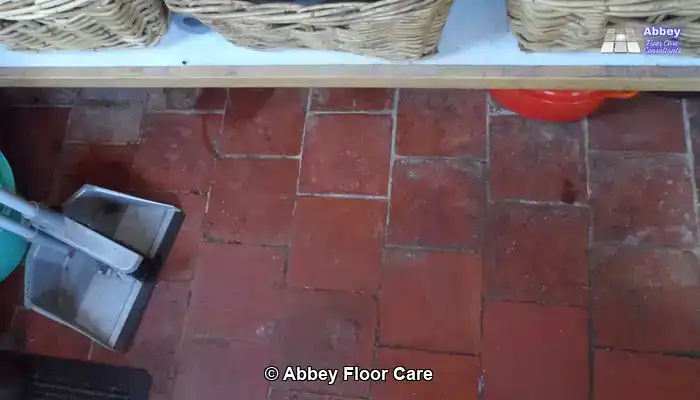
Visual and Tactile Indicators of Embedded Dirt on Your Floors
It’s easy to assume that a floor is clean if it appears red and uniform; however, quarry tiles can often conceal grime beneath their surface. A freshly mopped floor may still feel sticky or greasy. If you wipe a damp cloth across the tile and it comes away dark or oily, it signals the presence of trapped residues that require attention. Another clear indicator is uneven sheen; areas that remain dull despite scrubbing efforts often point to wax buildup or soil trapped beneath old polish layers, indicating a pressing need for restoration to revive the tiles.
What Makes Homes Especially Prone to Grime Accumulation?
Many homes feature older kitchens and utility rooms that have not been modernized for decades. These spaces frequently retain original quarry tiles, which were either never sealed or treated with outdated waxes. Over time, layers of cooking oil, detergent residue, and tracked-in dirt accumulate. Because these tiles are porous and unglazed, they function like sponges, especially in households with pets, children, or heavy foot traffic. Even if the surface appears intact, hidden grime can compromise hygiene and detract from the visual appeal of your home, making deep cleaning necessary for maintaining a healthy living environment.
Why Are DIY Methods Often Insufficient in Addressing Heavy Grime Buildup?
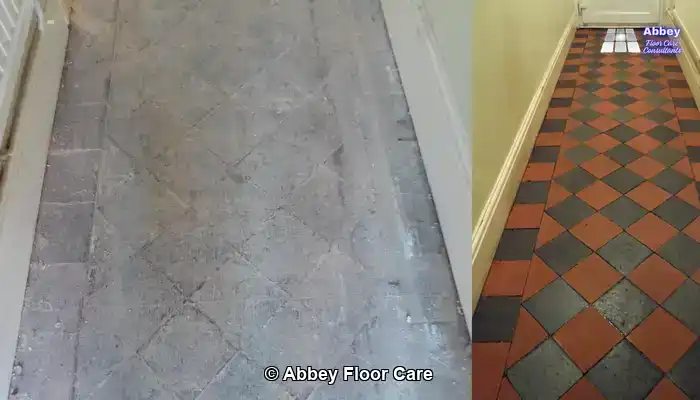
What Are the Risks Associated with Using Off-the-Shelf Cleaners?
Most supermarket tile cleaners are designed for surface dirt only. They may contain mild surfactants or acidic components that provide a temporary shine, but they rarely penetrate the layers of wax, oil, and soil embedded in quarry tiles. In fact, using acidic cleaners frequently can etch the surface, making it more porous and susceptible to future staining. Homeowners often discover that despite their regular cleaning efforts, their tiles remain sticky or discolored — a clear sign that deeper intervention is essential for effective maintenance.
Can You Restore Quarry Tiles Safely Without Causing Damage?
Successful restoration involves breaking down decades of buildup without harming the underlying clay. While quarry tiles are durable, they are also absorbent and sensitive to harsh treatments. Scrubbing too vigorously or using inappropriate chemicals can lead to uneven results or irreversible damage. Industrial methods utilize controlled chemical reactions and mechanical agitation tailored to the condition of the tile. Achieving this balance is often challenging with DIY tools, which generally lack the power and precision necessary for safe and effective restoration, underscoring the need for professional intervention.
Exploring Industrial Cleaning Methods for Effective Quarry Tile Restoration
Understanding the Role of Alkaline Cleaners and Sealer Strippers
To effectively eliminate decades of grime, professionals rely on two primary chemical strategies: alkaline degreasers and sealer strippers.
- Alkaline cleaners excel at removing organic residues like cooking oils, general dirt, and everyday grime. They work by emulsifying grease, allowing for safe rinsing without damaging the tile.
- Solvent-based sealer removers are utilized when waxes, topical sealers, or polish layers are present. These traditional solvent strippers dissolve synthetic coatings quickly but can be harsh and emit strong fumes.
- Non-solvent sealer removers, such as LTP Solvex, provide a safer option. These non-solvent strippers penetrate the sealer and gradually soften it — similar to how paint strippers work on old coatings. Rather than dissolving the layer immediately, they should be allowed to dwell for several hours or overnight. Once softened, the residue is mechanically removed using scrubbing pads and water.
Choosing the right product depends on your available timeframe, your tolerance for strong fumes, and the type of buildup you are facing. For deep restoration — especially when old sealers are present — a dwell-based stripper like LTP Solvex offers a more controlled and less aggressive solution. It slowly softens the sealer, making removal easier with scrubbing pads and water, without relying on harsh solvents or rapid chemical reactions.
Comparing the Effectiveness of Rotary Scrubbers with Manual Brushing Techniques
Mechanical agitation is vital for restoring quarry tiles. Rotary scrubbers employ weighted heads and stiff brushes to drive cleaning agents deep into the tile’s surface. This method is vastly more effective than manual brushing, which tends to skim the surface and leave residues behind. The combination of chemical dwell time and machine pressure guarantees that embedded grime is lifted without harming the clay. For large areas or severe buildup, rotary machines yield consistent results that manual methods simply cannot achieve, ensuring thorough cleanliness.
Selecting the Appropriate Chemicals for Quarry Tile Restoration
Ensuring Safe Usage of High-pH Cleaners for Effective Grime Removal
Alkaline cleaners with a high pH are crucial for breaking down organic grime but must be used carefully. These powerful degreasers react with oils and fats, helping to lift them from the tile’s surface. However, they require proper dilution and dwell time to avoid streaking or residue. In professional settings, technicians typically test small areas first and monitor the reaction closely. Homeowners attempting this process without training may risk uneven results or chemical burns to surrounding surfaces, highlighting the necessity for caution and expertise.
Recognizing When to Employ Stripping Treatments for Effective Restoration
Solvent strippers become essential when wax, polish, or synthetic sealers have accumulated over time. These chemicals dissolve coatings that entrap grime beneath the surface, allowing for proper cleaning of the tile. Since solvents can emit strong fumes that affect indoor air quality, they should only be used in well-ventilated spaces with appropriate protective gear. In older homes, chemical stripping often emerges as the only method to access the original tile surface, especially in kitchens where wax-based treatments were common decades ago.
Understanding Mechanical Agitation: Its Importance and Functionality in the Cleaning Process
How Do Rotary Machines Effectively Dislodge Embedded Grime from Your Tiles?
Rotary machines utilize weighted heads and stiff bristle pads to agitate the surface of quarry tiles. This process focuses on applying consistent pressure and motion that dislodges dirt from deep within the tile’s pores instead of just scrubbing harder. The rotational motion of the machine helps emulsify dirt, allowing it to rise to the surface for safe rinsing. Without this mechanical lift, even powerful chemicals might leave residues behind, reinforcing the need for proper equipment in the cleaning process to ensure thorough cleanliness.
Our company employs these machines for the majority of floor cleaning tasks, using hand pads for corners and edges that mechanical brushes and pads cannot adequately reach, ensuring a comprehensive cleaning solution.
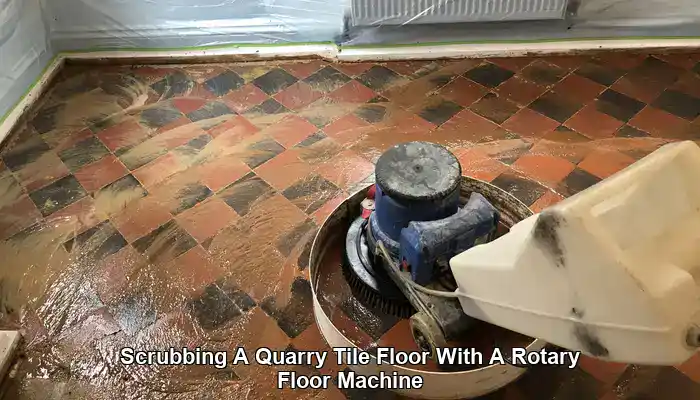
The Role of Pressure and Dwell Time in Achieving Successful Cleaning Results
Achieving effective cleaning involves more than simply using the right tools. The pressure applied by the machine and the time the cleaning chemical remains on the tile — known as dwell time — are critical elements. Insufficient dwell time will prevent the cleaner from adequately breaking down grime, while excessive pressure can damage the tile’s surface. Professionals adjust these factors based on the tile’s condition, ensuring a thorough clean without compromising the integrity of the flooring, promoting longevity and beauty.
Post-Cleaning Steps: Essential Sealing and Long-Term Maintenance Strategies
When and How to Seal Your Quarry Tiles Effectively for Maximum Protection
Once quarry tiles have been thoroughly cleaned and completely dried, sealing becomes essential to protect them from future staining and damage, ensuring their longevity and aesthetic appeal.
Selecting Breathable or Penetrating Sealers for Optimal Tile Protection
A breathable, penetrating sealer is the best choice for unglazed clay surfaces, especially for floors that lack a damp-proof membrane. These products penetrate the tile and create a barrier that repels oil and water while keeping the natural appearance intact. Timing is critical; sealing too soon after cleaning can trap moisture, while waiting too long may allow new dirt to settle. Typically, sealing should occur within 24 to 48 hours after cleaning, provided that the tiles are completely dry, ensuring lasting protection and beauty.
Consider Applying a Topical Sealer for a Glossy Finish that Enhances Your Tiles
If you desire a satin or gloss finish, a topical sealer such as LTP Ironwax Satin offers a feasible option. These sealers create a protective layer on the tile’s surface, adding a subtle sheen while helping to mask minor surface imperfections. They also simplify the cleaning process — particularly on older quarry tiles that may exhibit surface damage or crevices where dirt tends to accumulate, enhancing both aesthetic appeal and ease of maintenance.
However, topical sealers are not suitable for damp-prone floors. Since they form a surface film, any moisture trapped underneath can lead to problems like whitening, flaking, or adhesion issues. It is crucial to ensure that the floor is entirely dry and free from rising damp before applying a topical finish to avoid complications.
How Often Should You Reclean or Reseal Your Quarry Tiles for Optimal Maintenance?
Sealing is not a one-time fix; it is a vital part of ongoing care. In high-traffic areas such as kitchens and utility rooms, the protective layer diminishes over time due to wear and tear. Most quarry tile floors require resealing every 2 to 4 years, depending on usage patterns and cleaning practices. Regular maintenance, including dry sweeping and the use of pH-neutral cleaners, can extend the lifespan of the sealer significantly. If tiles start to absorb water quickly or show signs of darkening when wet, it indicates that the sealer has worn off and needs reapplication, ensuring lasting protection and beauty.
Common Questions Homeowners Have Regarding Quarry Tile Care and Maintenance
Will Deep Cleaning Affect the Colour of My Tiles?
In most cases, deep cleaning restores the original color rather than altering it. Years of grime can darken or dull the surface, so removing these layers may brighten or enhance the tiles’ vibrancy. This process does not change the color but signifies a return to the tile’s natural state, reviving its beauty. If wax or polish has yellowed over time, eliminating it can reveal the true hue beneath, restoring the tile’s aesthetic.
Is the Quarry Tile Restoration Process Messy or Disruptive to My Home?
While industrial cleaning utilizes machinery and chemicals, the process is carefully managed and contained. Rotary scrubbers use minimal water and extract waste during the cleaning operation, reducing mess. Most homeowners are pleasantly surprised by how tidy the process is compared to DIY attempts that often leave behind streaks or residues. Adequate ventilation and preparation help minimize disruption, making it a manageable task even in busy households, ensuring a smooth experience.
Can I Maintain the Restoration Results on My Own Effectively?
Absolutely — once the tiles are restored and sealed, ongoing maintenance is straightforward. Regular dry sweeping and occasional mopping with pH-neutral cleaners will keep the surface clean without harming the sealer. It is crucial to avoid acidic or bleach-based products, as they can degrade the protective layer. With proper care and maintenance, restored quarry tiles can remain beautiful and functional for many years, even in high-traffic areas, contributing to a clean and welcoming home.
The Article Deep Cleaning Quarry Tiles: Removing Decades of Grime first found on https://www.abbeyfloorcare.co.uk
The Article Deep Cleaning Quarry Tiles for Decades of Grime Removal appeared first on https://fabritec.org
The Article Deep Cleaning Quarry Tiles: Remove Decades of Grime Was Found On https://limitsofstrategy.com