Unleash the Incredible Benefits of Tug-of-War for You and Your Puppy
What Exactly is Tug-of-War and How Does This Fun Game Work?

The exciting game of tug-of-war is an interactive, dynamic activity that significantly enhances the bond between puppies and their owners. This playful experience not only entertains but also fulfills several developmental needs for your puppy. As they tug on a sturdy toy, they participate in a delightful competition that fosters trust and improves communication skills between you and your pet. This game encourages both physical activity and mental stimulation, making it an all-encompassing choice for playtime. Here are some notable advantages of engaging in tug-of-war:
- Deepens the connection between puppy and owner.
- Boosts physical fitness and promotes muscle growth.
- Enhances mental engagement and develops problem-solving capabilities.
- Imparts essential commands and fosters self-discipline.
- Encourages positive behaviors and promotes compliance.
- Offers a secure outlet for natural instincts.
This engaging game serves not just as a source of fun but also as a significant training opportunity that can positively influence your puppy’s behavior.
How Does Tug-of-War Contribute to Your Puppy’s Growth and Learning?
Engaging in tug-of-war with your puppy offers far more than mere entertainment; it plays an integral role in their overall growth and development. Physically, this game provides an outstanding workout that helps develop muscle strength and improves coordination. This type of exercise is essential for young puppies, as it contributes to enhancing their physical capabilities while maintaining their health and fitness. Mentally, tug-of-war serves as a stimulating challenge that engages their cognitive abilities. Puppies are encouraged to strategize and analyze their approach to winning the game, thereby promoting their mental advancement.
Moreover, tug-of-war can be a vital part of training. It strengthens the relationship between you and your puppy, facilitating the positive reinforcement of good behaviors. For instance, when a puppy learns to release the toy upon command, they acquire important skills that apply to other facets of obedience training. This not only reinforces desired behaviors but also provides your puppy with a fun and interactive learning experience.
What Essential Safety Measures Should You Take for Puppies During Tug-of-War?
Prioritizing safety during tug-of-war is essential to prevent injuries and behavioral issues. As a responsible pet owner, selecting safe toys and closely monitoring playtime is critical. Choose toys specifically designed for tugging, ensuring they are durable and devoid of small parts that could pose choking risks. Always supervise the game with keen attention, noting your puppy’s energy levels and mood.
Overexertion can lead to injuries, particularly in younger or smaller breeds. Be vigilant for signs of fatigue—if your puppy begins panting heavily or displays a lack of interest, it might be time for a break. Moreover, if the game escalates into overly aggressive behavior, it is vital to intervene immediately. Setting boundaries and recognizing when to stop the game will help ensure a safe and enjoyable experience for both you and your puppy.
How to Select the Perfect Tug Toy for Your Puppy?
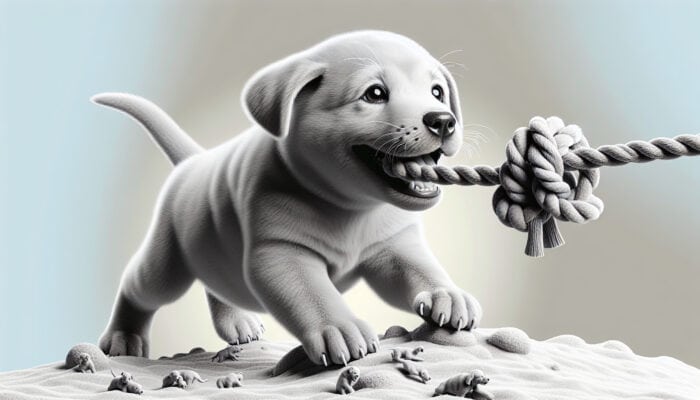
Selecting the right tug toy is essential for a safe and enjoyable tug-of-war experience. Look for toys specifically designed for puppies, emphasizing durability and the correct size. A suitable tug toy should be easy for your puppy to grip and withstand their chewing without disintegrating.
Material choice is also critical; opt for toys made from sturdy, non-toxic materials like rope or soft rubber. Soft materials are gentle on a puppy’s teeth while still providing the necessary resistance for a thrilling game. Additionally, ensure the toy’s size is appropriate; it should be proportionate to your puppy’s size to minimize choking hazards. A well-chosen tug toy not only enriches the play experience but also ensures your puppy’s safety during this interactive activity.
What Best Practices Should You Follow to Teach Puppies Tug-of-War Etiquette?
Educating your puppy on how to play tug-of-war correctly is vital for promoting good behavior and preventing potential aggression. Start by introducing the game gently, using clear commands to guide their actions. Establish a routine that incorporates commands like “take it” to initiate the game and “drop it” to signal its conclusion.
Using a consistent set of commands helps your puppy understand the game’s rules. Begin with a few simple steps to teach them the fundamentals:
- Introduce the tug toy and encourage your puppy to grab it.
- Use the command “tug” to indicate the beginning of the game.
- When it’s time to end the game, use “drop it” and offer a treat as positive reinforcement.
- Maintain a friendly atmosphere and avoid aggressive tugging.
By reinforcing these commands, you help your puppy develop self-control and learn appropriate play behaviors beneficial in various circumstances.
Key Insights on Choosing the Right Tug Toy for Your Puppy
What Materials Are Best to Look for in Tug Toys?
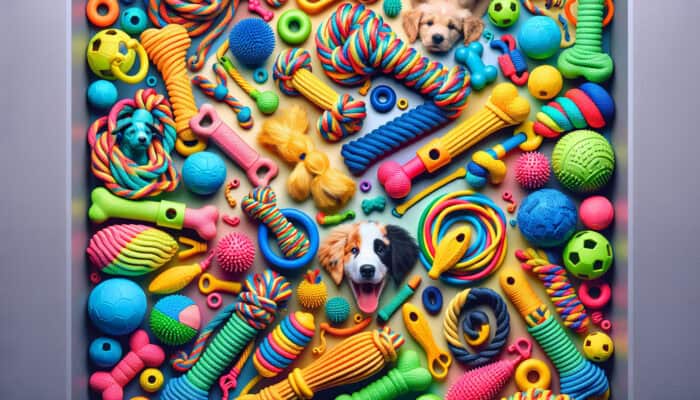
Choosing appropriate materials for tug toys is vital for ensuring their durability and safety. Opt for toys made from robust materials such as cotton rope or rubber, which can withstand vigorous chewing while being gentle on your puppy’s teeth. Avoid toys with small parts or those made from hard plastic that could splinter or break, potentially posing choking hazards or causing injuries.
Rope toys are often preferred for their durability and the additional benefit of cleaning your puppy’s teeth while they chew. Rubber toys, particularly those designed for tugging, can provide excellent resistance without harming your puppy’s teeth or gums. Look for toys specifically labeled as puppy-safe, ensuring they adhere to safety standards. By selecting suitable materials, you can guarantee a safe and enjoyable playtime experience.
Why Is the Size and Weight of Tug Toys Crucial?
The size and weight of a tug toy significantly affect the enjoyment and safety of the game. The toy should be appropriate for your puppy’s size, ensuring they can grip it comfortably without struggle. Smaller toys are generally better suited for younger puppies, while larger toys can be overwhelming or too heavy for comfortable play.
When choosing a tug toy, consider your puppy’s breed, age, and strength. Tiny breeds benefit from lightweight, smaller toys, while larger puppies may require sturdier toys that can withstand their strength. Selecting the right size and weight fosters a fair and enjoyable game, enhancing your puppy’s experience and promoting positive play behavior.
How to Ensure Tug Toys Are Durable and Long-Lasting?
Investing in durable tug toys is a smart choice that can save you money while ensuring extended playtime enjoyment. Look for products designed to withstand the rigors of tugging and chewing. A well-constructed tug toy should resist wear and tear, providing both safety and engagement over time.
When choosing tug toys, check for reinforced seams and high-quality materials that can endure aggressive tugging without falling apart. Brands specializing in pet toys often offer a variety of options tested for durability. Selecting the right toy not only keeps playtime safe but also allows you to enjoy extended engagement with your puppy, significantly enhancing the bonding experience.
Expert Insights for Effective Tug-of-War Practices
What Do Professionals Recommend Regarding Tug-of-War Play?
Veterinarians and dog trainers widely endorse tug-of-war as a beneficial activity for puppies, highlighting its potential advantages when conducted correctly. Experts advocate that tug-of-war can reinforce obedience and impart valuable commands. Proper technique, combined with supervision, is essential to ensure a positive experience.
For instance, trainers typically recommend starting the game with a command that invites the puppy to engage, later integrating commands like “drop it” to encourage obedience even during heightened excitement. Numerous real-world examples demonstrate how trainers effectively use tug-of-war to build confidence in timid puppies or redirect excessive energy in more exuberant breeds. The takeaway from expert guidance is the importance of maintaining control and establishing clear boundaries throughout the game.
How Does Tug-of-War Enhance Training Effectiveness?
Tug-of-war serves as a highly effective training tool that encourages engagement and teaches essential commands in a fun context. This game allows you to reinforce behaviors such as “drop it” and “take it” while keeping your puppy entertained. The cooperative nature of tugging fosters a stronger bond and increases your puppy’s eagerness for training sessions.
Incorporating tug-of-war into training routines can transform standard obedience learning into an exciting challenge. When your puppy successfully follows commands during play, you can reward them with praise or treats, reinforcing positive behavior. This interactive method not only enhances obedience but also keeps your puppy mentally engaged, preparing them for more advanced training activities as they mature.
What Recommended Practices Should Be Followed for Tug-of-War with Puppies?
Establishing clear rules and practices for tug-of-war is crucial for maintaining control and ensuring a positive experience for both you and your puppy. Start each session by setting expectations, such as initiating and concluding the game using specific commands. This approach helps your puppy learn to respond to cues, making the game both enjoyable and educational.
Maintain a calm yet enthusiastic demeanor during play to foster a positive atmosphere. Use positive reinforcement to praise your puppy when they accurately follow commands. It’s vital to recognize when to pause or stop the game to prevent overstimulation or aggressive behavior. Concluding the game on a positive note by rewarding your puppy with affection or treats encourages them to associate tug-of-war with positive experiences, setting the stage for successful future interactions.
How Can Tug-of-War Contribute to Your Puppy’s Overall Development?
Tug-of-war plays a significant role in a puppy’s growth by enhancing both physical and cognitive skills. Physically, the game aids in building muscle strength and coordination, which are critical for young, developing bodies. As puppies tug and pull, they engage in a comprehensive workout that enhances agility and endurance, contributing to their overall fitness.
Cognitively, the game challenges puppies to strategize about how to win while responding to their owner’s commands. This mental engagement is vital for developing problem-solving abilities and adaptability. Furthermore, the social interaction facilitated by tug-of-war fosters confidence and reduces behavioral issues, as puppies learn to navigate play dynamics with their owners. Thus, incorporating tug-of-war into your puppy’s routine can yield significant benefits for their overall development.
What Critical Safety Considerations Should Be Made During Tug-of-War?
Prioritizing safety is paramount when engaging in tug-of-war with your puppy. Always ensure that toys are appropriate for their age group and crafted from safe materials, free from harmful chemicals and small parts. Monitoring your puppy during playtime is critical to recognizing signs of fatigue or frustration, indicating that it’s time for a break.
Establish rules around the game to encourage safe play, such as stopping if the puppy becomes overly excited or aggressive. Teaching commands like “leave it” can promote better control during play, minimizing the risk of unwanted behavior. Keeping a close eye on the environment is also crucial; choose a clean, open area free from hazards to allow your puppy to move freely while participating in tug-of-war.
How to Create a Safe Tug-of-War Play Environment for Your Puppy
What Features Make a Tug-of-War Space Safe for Your Puppy?
Creating a safe play area for tug-of-war is essential for ensuring your puppy’s well-being during the game. The space should be free of hazards, such as sharp objects, slippery surfaces, and distractions that could lead to injury. Find a designated area—preferably indoors or in a securely fenced yard—where your puppy can enjoy the game without interruptions.
Ensure the space is clean and spacious enough for your puppy to move around comfortably. Having a designated play area not only enhances safety but also allows your puppy to associate this spot with fun and positive experiences. Regularly inspect the area for potential hazards and make adjustments as necessary to maintain a consistently safe environment for play.
How to Effectively Monitor Playtime During Tug-of-War?
Effective supervision during tug-of-war is crucial for ensuring safety and preventing aggressive behavior. As a pet owner, your role involves closely monitoring the game, remaining alert to any signs of fatigue or frustration in your puppy. Recognizing the appropriate moment to intervene can significantly enhance the quality of playtime.
Establish boundaries early in the game by utilizing commands to maintain control. If your puppy begins to exhibit excessive excitement, taking a brief break can help them calm down. Watch for any signs of aggressive behavior or overexertion, and do not hesitate to end the game if necessary. Your attentiveness ensures that playtime remains enjoyable and safe for both you and your puppy.
How to Develop a Tug-of-War Routine for Your Puppy?
Creating a routine for tug-of-war can greatly enhance your puppy’s anticipation and enjoyment of the game. Consistency is vital; scheduling playtime at regular intervals helps your puppy understand when to expect their favorite activity. This builds a positive association with the routine, increasing eagerness and engagement during playtime.
Consider incorporating tug-of-war into your daily schedule, perhaps after a walk or during evening play. Mixing in other activities can also keep your puppy stimulated and prevent boredom. By creating a structured routine that includes tug-of-war, you can foster a strong bond with your puppy, enhancing both their physical and emotional well-being.
Techniques for Engaging Puppies in Dynamic Tug-of-War Sessions
How to Properly Initiate a Fun Tug-of-War Play Session?
Initiating tug-of-war with your puppy sets the stage for an exhilarating and interactive experience. Begin by presenting the tug toy to your puppy, encouraging them to grasp it, and use a command like “tug” to signal the start of the game. This not only creates excitement but also establishes boundaries for future interactions.
To successfully kick off the play, follow these steps:
- Select a safe and suitable tug toy.
- Capture your puppy’s attention and show them the toy.
- Encourage them to grasp the toy with enthusiastic praise.
- Introduce a command such as “tug” to initiate the game.
By employing consistent commands and enthusiastic encouragement, you can effectively engage your puppy and create a delightful tug-of-war experience.
How to Sustain Your Puppy’s Engagement Throughout Tug-of-War Play?
To maintain your puppy’s interest during tug-of-war, it is essential to sustain excitement throughout the game. Varying the intensity and direction of the tugging action can help keep their interest and energy levels high. Incorporate playful movements, such as pulling the toy in different directions or briefly letting them win, to heighten the thrill of the game.
Utilize praise and rewards to reinforce their enthusiasm. When your puppy exhibits excitement or successfully follows commands, offer treats or verbal affirmations to encourage their participation. Keeping the play dynamic not only stimulates your puppy mentally but also physically, making the game even more enjoyable and rewarding.
How to Conclude the Tug-of-War Game on a Positive Note?
Ending a game of tug-of-war on a positive note is crucial for reinforcing good behavior. Use a command like “drop it” to signal the game’s conclusion, and ensure you reward your puppy with treats or affection for compliance. This not only teaches them that following commands leads to positive outcomes but also helps them associate the game with enjoyable experiences.
Concluding on a high note can also prevent your puppy from becoming overly excited or aggressive. By establishing a routine that includes a clear ending, you help your puppy understand the game’s flow, making them more likely to respond positively in future interactions. Ending with affection or praise solidifies the bond you have developed during playtime, laying a solid foundation for future tug-of-war sessions.
Research-Backed Advantages of Tug-of-War for Puppies
How Does Tug-of-War Promote Puppy Development?
Research indicates that participating in tug-of-war can significantly enhance a puppy’s physical development, including muscle strength and coordination. The game serves as a form of exercise, promoting agility and endurance while also providing valuable mental stimulation. As puppies tug and pull, they develop problem-solving skills and learn to strategize to win the game.
To effectively integrate tug-of-war into your puppy’s routine, consider these actionable steps:
- Schedule regular play sessions to ensure consistency.
- Utilize commands to structure the play and reinforce obedience.
- Monitor your puppy’s energy levels to avoid fatigue.
- Incorporate variations to maintain the freshness and engagement of the game.
By regularly incorporating tug-of-war into your puppy’s activities, you can support their growth and development while fostering a strong bond between you.
What Social Benefits Are Associated with Engaging in Tug-of-War?
Tug-of-war can significantly enhance a puppy’s <a href=”https://elgatoencasa.com/burmese-cat-socialization-tips-a-comprehensive-guide/”>social skills</a> by teaching them the importance of gentle play and sharing toys. As they learn to engage with their owners in this interactive game, puppies develop social behaviors that can translate into better interactions with other dogs. The game encourages puppies to understand boundaries and respect their partner’s space.
Furthermore, the bond strengthened through tug-of-war contributes to a puppy’s emotional development. This game fosters trust and cooperation, both of which are essential skills that can improve their overall socialization, making them more confident and well-adjusted companions. As they learn to navigate these playful interactions, they become better equipped to handle various social situations as they mature.
Can Tug-of-War Help Resolve Behavioral Issues in Puppies?
Tug-of-war can be an effective tool for addressing various behavioral problems in puppies, including resource guarding and aggression. By teaching your puppy to release items on command, you promote self-control and instill a sense of trust, allowing them to engage without fear of losing their favorite toy.
This game also serves as an outlet for pent-up energy, helping to alleviate behavioral issues associated with boredom or frustration. Regularly engaging in tug-of-war encourages puppies to interact positively while managing their impulses. The skills learned through this game can lead to improved behavior both at home and in social situations, making it a valuable element of a puppy training program.
Identifying and Avoiding Common Tug-of-War Mistakes
What Are the Risks Associated with Excessive Tug-of-War Play?
Overplaying tug-of-war can lead to serious issues such as overexertion and joint problems, particularly in growing puppies. Engaging in this intense game for prolonged periods can result in fatigue, potentially causing injuries to their developing bodies. Recognizing signs of fatigue is crucial; if your puppy starts panting heavily or shows a lack of interest, it’s a clear signal to take a break.
To mitigate risks, it’s essential to limit playtime and set boundaries for each session. Establishing a timeframe for play and sticking to it ensures that your puppy remains safe and healthy. Monitoring their behavior closely will help create a balanced and enjoyable tug-of-war experience without compromising their well-being.
How to Prevent Aggressive Behavior During Tug-of-War Sessions?
Aggressive behavior during tug-of-war may arise when boundaries are not clearly established. To prevent this, it’s essential to set rules beforehand and adhere to them throughout the game. Employing positive reinforcement and verbal commands can help redirect any overly aggressive tendencies.
If your puppy exhibits excessive excitement or begins to show aggressive behavior, stop the game immediately. Allow them to calm down before reinitiating play. Teaching them that aggressive behavior results in the cessation of the game will help them learn appropriate play behaviors. Consistency in your approach will promote positive interactions that remain enjoyable for both you and your puppy.
Why Is It Important to Avoid Inappropriate Tug Toys?
Selecting inappropriate toys for tug-of-war can pose significant risks, including choking hazards or injuries from broken pieces. Always choose toys specifically designed for this purpose, ensuring they are sufficiently robust to endure chewing and tugging without degrading. Avoid toys with small parts that could be swallowed or cause harm.
Regularly inspect toys for signs of wear and tear. If a toy shows signs of damage, replace it immediately to maintain safety during play. By carefully selecting tug toys and monitoring their condition, you can provide a safe play experience that keeps your puppy engaged without compromising their safety.
Integrating Tug-of-War into Effective Training Sessions
What Commands Can Be Taught Using Tug-of-War as a Training Tool?
Tug-of-war serves as an excellent opportunity to teach your puppy various commands while ensuring the experience remains fun and engaging. Commands such as “drop it,” “take it,” and “tug” can be effectively integrated into this game, helping your puppy learn obedience in a playful context.
When teaching these commands through tug-of-war, consider these strategies:
- Introduce a command like “take it” to initiate play.
- Use “drop it” to signify the end of the game and reward compliance.
- Practice “leave it” to help manage aggressive tendencies.
- Incorporate rewards for following commands to reinforce learning.
By using tug-of-war as a training tool, you can enhance your puppy’s understanding of commands while fostering a joyful and rewarding interaction.
How to Use Tug-of-War as a Reward During Training Sessions?
Utilizing tug-of-war as a reward can be particularly effective in reinforcing appropriate behavior. If your puppy successfully follows commands or demonstrates positive actions, rewarding them with a tug-of-war session provides immediate and exciting feedback. This approach links good behavior with enjoyable experiences, enhancing their motivation to comply with your requests.
When employing this method, ensure that sessions are balanced; rewards should be given in moderation to maintain their value. Using tug-of-war as a reward encourages your puppy to engage more actively in training sessions, solidifying their understanding of commands and promoting a harmonious relationship between you.
How to Incorporate Tug-of-War with Other Training Activities for Enhanced Learning?
Tug-of-war can be seamlessly integrated into other training activities, such as agility training or basic obedience exercises. By incorporating this enjoyable game into structured training, you can keep your puppy engaged and motivated. Using tug-of-war as a reward following the successful completion of other training tasks can help maintain interest and enthusiasm in a comprehensive training program.
Consider structuring training sessions that alternate between obedience commands and tug-of-war play. This variety keeps your puppy mentally stimulated and helps reinforce their learning in diverse contexts. As they master commands, you can gradually increase the complexity of training activities by incorporating tug-of-war to provide both physical and mental challenges.
Advanced Techniques for Enhancing Tug-of-War Engagement with Your Puppy
What Are Some Advanced Tug-of-War Games to Explore with Your Puppy?
As your puppy becomes more skilled at tug-of-war, you can introduce advanced variations to enhance their abilities and keep the game exciting. Consider involving multiple puppies in the game to teach them valuable social skills such as sharing and taking turns. This not only adds an element of fun but also imparts important lessons in cooperation.
Another engaging variation is to create obstacle courses that puppies must navigate while playing tug-of-war. Using simple objects like cones or tunnels can challenge their agility and coordination. These advanced games keep the experience fresh and stimulating, ensuring that your puppy continues to grow both physically and mentally.
How to Increase the Challenge of Tug-of-War for Your Puppy?
To provide a greater challenge for your puppy during tug-of-war, consider making the game more difficult. You can do this by using heavier or more resistant toys that require more effort to tug. This strategy not only builds strength but also enhances endurance over time.
Gradually adding new elements, such as obstacles or distractions, can elevate the challenge level. This variation encourages your puppy to focus and adapt to different situations during play. The key is to monitor their progress closely, ensuring the challenges remain suitable for their skill level while still promoting growth and development.
How to Effectively Monitor Your Puppy’s Progress and Adjust Techniques?
Monitoring your puppy’s progress in tug-of-war is essential to ensure the game remains beneficial and enjoyable. Keep track of their improvements in strength, coordination, and adherence to commands. If you observe they are excelling, consider increasing the complexity or duration of the games to match their growing abilities.
Adjusting your techniques based on their performance will keep the game engaging and challenging. If your puppy struggles with certain commands during play, take a step back and reinforce their training through simplified activities. By maintaining a balance between challenge and skill, you can ensure that tug-of-war remains a positive and enriching experience for your puppy.
Frequently Asked Questions About Tug-of-War with Puppies
Is tug-of-war safe for all puppies?
Yes, tug-of-war can be safe for most puppies when played correctly. Ensure that toys are appropriate for your puppy’s size and that playtime is supervised to prevent aggressive behavior.
How often should I play tug-of-war with my puppy?
Engaging in tug-of-war a few times a week can provide both physical exercise and mental stimulation. Limit sessions to avoid overexertion and maintain your puppy’s interest.
What should I do if my puppy becomes aggressive during tug-of-war?
If your puppy exhibits signs of aggression, stop the game immediately. Allow them to calm down before resuming play, and reinforce positive behavior with commands and rewards.
Can tug-of-war help with my puppy’s training?
Yes, tug-of-war can be an effective training tool. It allows you to teach commands such as “drop it” and reinforces appropriate behavior while providing a fun and interactive learning experience.
What types of toys are best for tug-of-war?
Durable toys made from strong materials, such as cotton rope or soft rubber, are ideal for tug-of-war. Ensure they are sized appropriately for your puppy to avoid choking hazards.
How can I tell if my puppy is getting tired during play?
Signs of fatigue in puppies include excessive panting, slowing down, or losing interest in the game. It’s important to take breaks when you notice these signs.
Should I let my puppy win during tug-of-war?
Allowing your puppy to win occasionally can boost their confidence and make the game more enjoyable. However, maintaining control and setting boundaries is crucial to preventing aggressive behavior.
What commands can I teach my puppy using tug-of-war?
You can teach commands such as “take it,” “drop it,” and “leave it” during tug-of-war. Using these commands reinforces obedience in a playful context.
How do I choose the right size tug toy for my puppy?
Select a tug toy that is proportionate to your puppy’s size and strength. Smaller puppies require lighter, smaller toys, while larger breeds need more robust options.
Can tug-of-war address behavioral issues in puppies?
Yes, tug-of-war can help address behavioral issues like resource guarding by teaching puppies to release items on command. It can also serve as a positive outlet for their energy.
Connect with us on Facebook!
The Article Tug-of-War Rules for Puppies: Universal Guidelines First Published On https://elgatoencasa.com
The Article Puppy Tug-of-War Rules: Essential Guidelines to Follow Was Found On https://limitsofstrategy.com