Ultimate Resource for Effective Waste Sorting During Clearances
Understanding Waste Sorting: Its Importance and Impact on Sustainability
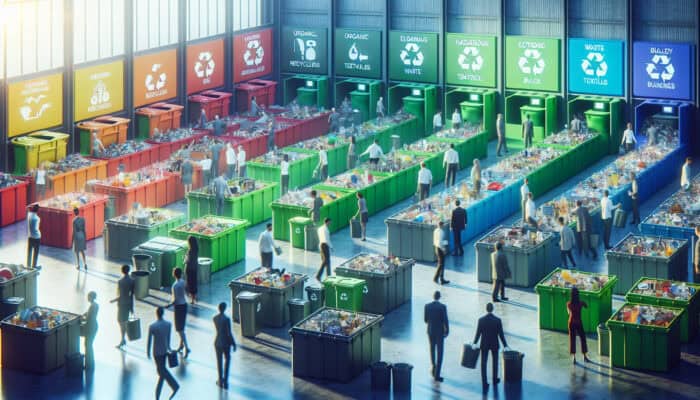
Best Bins for Waste Sorting in Clearances: Waste sorting refers to the deliberate practice of categorizing various types of waste materials, thereby facilitating recycling and ensuring responsible disposal methods. This essential practice significantly contributes to enhancing environmental sustainability by minimizing waste sent to landfills. Understanding the different types of waste is vital for effective sorting. Common categories include:
- Recyclables (including plastic, paper, glass)
- General waste (comprising items that cannot be recycled)
- organic waste (which consists of food scraps and yard waste)
- Hazardous materials (such as batteries and chemicals)
- E-waste (referring to electronic devices)
- Construction debris
- Textiles (like clothing and fabric)
- Bulk waste (including large items such as furniture)
By diligently sorting waste, we streamline the disposal process and maximize our recycling efforts, which substantially reduces landfill dependency and the environmental impact associated with waste disposal practices.
Exploring the Crucial Role of Clearances in Effective Waste Management
Clearances play an indispensable role in waste management by designating specific areas for sorting and disposal, thus enhancing community cleanliness and order. The implementation of clearances in waste management offers numerous advantages, including:
- Enhanced organization of various waste materials
- Reduction of contamination in recyclable waste
- Improved community health and hygiene
- Streamlined waste collection processes
- Increased awareness and participation in recycling efforts
- Support for local environmental policies
- Encouragement of responsible waste disposal habits
- Provision of a cleaner aesthetic in public spaces
By embracing clearances, communities foster a culture of sustainability and shared responsibility regarding waste management, ultimately leading to a cleaner and greener environment.
Examining the Different Types of Bins Used for Efficient Waste Sorting in Clearances
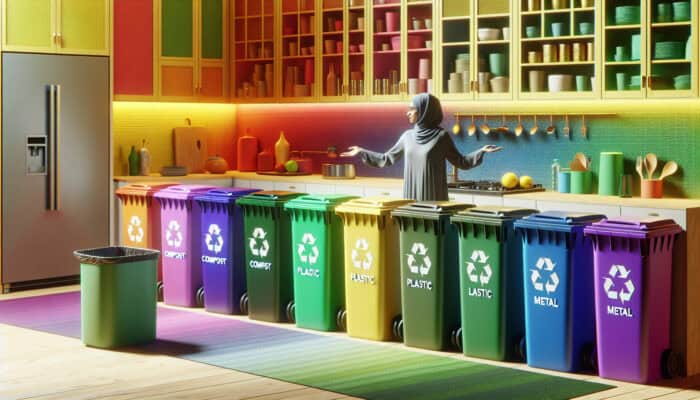
A diverse range of bins is specifically designed to handle distinct waste categories, each serving a crucial purpose in effective waste management. These bins are vital for successful sorting and include: recycling bins, general waste bins, organic waste bins, and hazardous waste containers. Recycling bins, typically marked by blue or green colors, are designated for materials eligible for recycling, such as paper, cardboard, and certain plastics. General waste bins, often colored black, are meant for non-recyclable items. Organic waste bins, which may be brown or green, are intended for compostable materials, while hazardous waste containers are clearly labeled to signify their contents and ensure safe disposal methods. Understanding the specific functions of each bin type is crucial for effective waste sorting, leading to improved recycling rates and decreased landfill waste.
Expert Insights on Selecting the Best Bins for Waste Sorting During Clearances
Essential Factors for Choosing the Right Bins for Waste Sorting
When selecting bins for waste sorting in clearances, experts recommend considering several critical factors. These factors include the size of the bin, the material used in its construction, and its sorting capabilities. Choosing the appropriate size is essential to ensure that bins can accommodate the expected volume of waste without overflowing, which can lead to contamination and hygiene issues. The material choice affects the bin’s durability and longevity; for instance, plastic bins are lightweight and rust-resistant, while metal bins offer greater durability but may require more maintenance. Sorting features, such as the number of compartments, facilitate efficient segregation of various waste types, encouraging users to engage in responsible disposal practices.
Real-world examples from various settings in the UK illustrate the effectiveness of carefully selecting bins. For example, a local council in Manchester implemented dual-compartment bins in public parks to improve source sorting, which resulted in a remarkable 40% increase in recycling rates. This successful case highlights how tailored bin selections can significantly boost community participation in waste sorting initiatives.
Key Features to Look for in High-Quality Waste Sorting Bins
High-quality bins must include several crucial features to ensure effectiveness and user-friendliness. Primarily, durability is essential; bins should withstand varying weather conditions and potential vandalism. Additionally, bins must be weather-resistant, particularly given the unpredictable UK climate, to prevent deterioration over time. Clear labeling is also vital; bins should have prominent, easy-to-understand labels that guide users in correctly sorting their waste.
To evaluate bin quality before making a purchase, actionable steps can be taken, such as examining the material for robustness, checking for user-friendly features like foot pedals or lids, and ensuring ease of cleaning. Moreover, selecting bins with color-coded compartments can simplify sorting, allowing users to quickly identify where to dispose of their waste. Investing in high-quality bins ensures longer lifespans and enhances the efficiency of the waste management process.
Smart Strategies for Effective Bin Placement in Waste Clearances

Strategic placement of bins is critical for improving sorting efficiency and encouraging user compliance. Expert recommendations indicate that bins should be located in high-traffic areas where they are easily visible and accessible. Placing bins in close proximity to one another can also prompt users to take the initiative to sort their waste correctly.
Another effective strategy is to implement educational signage alongside bins, illustrating what can and cannot be disposed of in each bin. For instance, positioning recycling bins near building entrances can lead to higher sorting rates, as people are more likely to engage in the process when they see the bins readily available. Additionally, adapting bin placement based on specific events or seasonal changes can further optimize waste sorting practices; thus, it is essential to regularly analyze usage patterns to inform future placements.
Harnessing Technology to Transform Waste Sorting in Bins
Technology is revolutionizing the efficiency of waste sorting in bins. Innovations such as smart bins equipped with sensors can signal when they are full, ensuring timely collection and maintenance. Furthermore, some bins feature smart labels that guide users on proper sorting through QR codes or digital displays. This technology provides real-time data on waste levels and types, enabling more effective inventory management and planning.
In the UK, smart technology has been deployed in numerous cities, demonstrating significant improvements in waste segregation and overall management. For example, a pilot project launched in London introduced smart recycling bins that communicate with local authorities, ensuring collections occur just in time, dramatically reducing overflow and contamination rates. By leveraging technological advancements, municipalities can greatly enhance their waste management operations, leading to more effective sorting and disposal solutions.
Top Bin Models for Efficient Waste Sorting During Clearances
Most Popular Bin Models Available on the Market
In the UK, various bin models have gained recognition for their durability, design, and effectiveness in facilitating waste sorting. Renowned brands such as Simplehuman and Brabantia lead the market, offering a diverse selection of bins tailored for different waste categories. For instance, Simplehuman’s recycling bin features dual compartments with a robust design, making it suitable for households and offices alike. Brabantia’s iconic Touch Bin is another widely favored option, celebrated for its sleek design and efficient waste sorting capabilities.
Key features commonly found in top bin models include:
- Dual-compartment designs that simplify sorting
- Foot-pedal operation for hands-free usage
- Durable, corrosion-resistant materials
- Clear labeling and color-coded sections
- Odor-proof lids for hygienic disposal
- Easy-to-clean designs featuring detachable inner buckets
- Construction from recycled materials to promote eco-friendliness
- Customizable sizes to fit various spaces
These models not only facilitate effective waste segregation but also seamlessly integrate into modern homes and workplaces, promoting responsible disposal habits.
Comparing Bin Materials: Performance and Durability
Bins can be constructed from various materials, including plastic, metal, and wood, each offering distinct advantages regarding durability, cost, and environmental impact. Plastic bins are lightweight and resistant to rust, making them ideal for outdoor applications; however, they may not always match the durability of metal alternatives. Metal bins, often made from stainless steel, offer superior durability and longevity; however, they can be more expensive and may require regular maintenance to prevent corrosion.
Wooden bins, while visually appealing and suitable for certain settings, may not provide the same level of weather resistance as plastic or metal bins. Additionally, they can be more challenging to maintain and clean. Ultimately, the choice of material should reflect not only the intended use of the bin but also the community’s commitment to environmental sustainability, thereby promoting responsible waste management practices.
Where to Find Quality Bins for Waste Clearances
Specialized bins for waste sorting can be sourced from a variety of outlets across the UK, ranging from local hardware stores to specialized waste management suppliers. Online marketplaces like Amazon and eBay also offer a wide selection of bin models and materials, often accompanied by customer reviews to aid in purchasing decisions. Additionally, many councils provide information on approved suppliers that comply with local waste management standards, ensuring that the bins acquired contribute to effective waste sorting efforts.
Specialized waste management suppliers frequently offer customization options, allowing customers to select features that align with their specific needs, such as color coding or additional compartments. It is wise to compare prices and features from multiple sources to ensure an informed choice that meets both budgetary and functional requirements.
Key Benefits of Using Bins for Waste Sorting During Clearances
Impact of Waste Sorting on Environmental Health
Effective waste sorting plays a crucial role in enhancing environmental health by reducing landfill waste and increasing recycling rates. When waste materials are sorted appropriately, recyclable items are redirected away from landfills, significantly lowering the overall waste volume. This process not only conserves natural resources but also decreases greenhouse gas emissions associated with waste decomposition in landfills.
The environmental benefits of proper waste sorting include:
- Reduced landfill size and associated methane emissions
- Conservation of natural resources through recycling initiatives
- Lower energy consumption in the manufacturing of recycled products
- Improved air and water quality by minimizing hazardous waste
- Promotion of biodiversity by limiting habitat destruction due to mining and raw material extraction
- Encouragement of sustainable community practices and increased awareness
- Reduction of the overall environmental footprint of waste management systems
- Support for local recycling initiatives
By prioritizing effective waste sorting, communities can make significant strides toward achieving environmental sustainability and fostering a healthier planet.
Economic Advantages of Implementing Waste Sorting Practices
Waste sorting offers substantial economic benefits, particularly concerning cost savings and potential revenue generation. By minimizing the volume of waste directed to landfills, facilities can significantly reduce disposal fees, which can be quite high in urban areas. Enhanced sorting practices can also lead to increased quantities of recyclable materials being collected, creating opportunities for revenue through the sale of these materials to recycling facilities.
Additionally, efficient waste sorting systems can decrease operational costs for waste management companies, as a greater proportion of materials are recycled instead of disposed of. These savings can ultimately be reinvested into community programs or infrastructure enhancements, further stabilizing the local economy. Through strategic waste sorting initiatives, communities can enjoy economic benefits while simultaneously promoting sustainable practices.
Enhancing Community Well-Being Through Waste Sorting
Proper waste sorting during clearances cultivates community pride and responsibility, resulting in cleaner and more attractive living environments. When community members actively engage in effective waste sorting, they develop a sense of ownership over their surroundings, which can strengthen communal bonds and improve overall quality of life. Well-maintained clearances not only reflect positively on neighborhoods but can also draw visitors and potentially boost local businesses.
Moreover, clean environments have been linked to improved mental health and well-being, fostering a sense of safety and security among residents. By promoting waste sorting initiatives, communities can nurture a culture of sustainability and social responsibility, leading to a cleaner environment and a stronger sense of community cohesion and belonging.
Research-Driven Insights on the Best Bins for Waste Sorting During Clearances
Findings on Bin Efficiency and Recycling Rates
Research indicates that well-designed bins significantly improve recycling rates and reduce contamination levels. Studies show that clear and intuitive designs, including color coding and effective labeling, enhance user compliance, leading to better sorting outcomes. Well-organized waste management systems equipped with thoughtfully designed bins can boost recycling rates by as much as 60%, emphasizing the critical role that bin design plays in sorting effectiveness.
Expert analysis confirms that the arrangement and features of bins directly influence user behavior, promoting responsible waste disposal practices. Therefore, investing in high-quality, thoughtfully designed bins is essential for effective waste management strategies in clearances.
Influence of Bin Design on User Behavior and Sorting Compliance
Bin design significantly affects how users sort their waste, fostering better compliance with sorting practices. Factors such as color coding and clear labeling can greatly influence user behavior, as individuals are more likely to participate when the sorting process is straightforward and intuitive. Aesthetically pleasing, user-friendly bins can motivate participation by creating a positive experience for users.
Furthermore, research has shown that bins equipped with visual prompts or instructional signage can enhance sorting practices, as users receive clear guidance on how to properly dispose of their waste. By refining the design and functionality of bins, communities can cultivate a culture of responsible waste disposal, leading to improved recycling rates and decreased contamination levels.
Long-Term Advantages of Investing in High-Quality Bins
Quality bins provide not only immediate benefits in terms of durability and functionality but also promote consistent waste sorting habits over the long term. When communities invest in high-quality bins, they are more likely to adopt sustainable waste management practices, yielding enduring environmental and economic benefits. Durable bins withstand the test of time, diminishing the need for frequent replacements and the subsequent waste generation.
Moreover, quality bins foster a sense of accountability among users, as individuals are more inclined to respect and utilize well-maintained, efficient systems. This adherence to proper waste sorting practices can create a positive feedback loop, reinforcing responsible behaviors and leading to sustained improvements in recycling rates and community engagement.
Optimizing Waste Sorting Practices Through Strategic Bin Placement
Strategic bin placement is essential for improving accessibility and visibility, which directly influences user engagement and effective waste sorting practices. Bins should be strategically positioned in high-foot traffic areas, ensuring they are conveniently located for users to facilitate proper waste disposal. Placing bins near communal areas, parks, or event spaces can significantly enhance sorting efficiency, as they are available when individuals are most likely to generate waste.
Regular analysis of bin usage patterns can guide placement decisions, enabling communities to adapt their strategies based on user behavior. Additionally, incorporating educational signage alongside bins can further engage users and promote responsible waste disposal. By prioritizing optimal bin placement, communities can establish effective waste management systems that encourage sorting compliance and enhance overall waste management efforts.
Role of Bins in Achieving Corporate Sustainability Objectives
Bins designed for effective waste sorting play a vital role in achieving corporate sustainability goals by significantly contributing to waste reduction and recycling initiatives. By providing accessible and clearly labeled waste disposal options, organizations can encourage employees and customers to engage in sustainable practices. Implementing a robust waste sorting system demonstrates a commitment to environmental responsibility and can enhance a company’s public image.
Furthermore, effective waste management can result in substantial cost savings for businesses, reinforcing the economic rationale for investing in quality sorting bins. Aligning waste sorting initiatives with corporate sustainability objectives not only supports environmental efforts but also fosters a culture of responsibility and accountability among employees, ultimately contributing to a more sustainable future.
Practical Steps for Implementing Waste Sorting During Clearances
Establishing an Effective Waste Sorting System: Key Steps
Creating an effective waste sorting system involves several essential steps focused on user engagement and accessibility. To successfully establish a sorting system, consider the following steps:
- Select appropriate bins tailored to specific waste categories
- Educate users on sorting guidelines and proper disposal practices
- Maintain regular communication to reinforce sorting objectives
- Implement visual aids and informative signage alongside bins
- Conduct regular monitoring and reviews of the system to identify areas for enhancement
- Encourage community involvement in the waste sorting process
- Facilitate easy access to bins in high-traffic locations
- Ensure consistent maintenance and cleanliness of bins
Establishing a clear framework encourages users to actively participate in the waste sorting process, leading to improved recycling rates and enhanced community engagement.
Common Challenges in Waste Sorting Initiatives and How to Overcome Them
Common challenges in waste sorting initiatives include user non-compliance, contamination of recyclable materials, and maintenance issues that hinder effective sorting practices. User non-compliance often arises from a lack of knowledge or understanding of sorting protocols, while contamination can occur when non-recyclable items are mistakenly placed in recycling bins. Proper planning and education are critical in addressing these challenges.
To mitigate these issues, community leaders can launch educational campaigns aimed at raising awareness about correct waste sorting practices. Regular feedback mechanisms can also help identify recurring challenges, allowing for targeted interventions to enhance user compliance. Additionally, periodic inspections of bin contents can offer insights into common sorting mistakes, informing future educational initiatives and improving overall sorting efficacy.
Ensuring Long-Term Maintenance of Waste Sorting Bins
Routine cleaning and inspections are crucial for maintaining the functionality and hygiene of bins over time. A well-maintained bin system not only serves its intended purpose effectively but also promotes a positive user experience. Establishing a consistent maintenance schedule can help identify issues before they escalate, ensuring that bins are emptied promptly and cleaned regularly.
Moreover, engaging community members in maintenance efforts can foster a sense of ownership, encouraging them to take responsibility for their environment’s cleanliness. This participation can lead to increased community pride and a greater commitment to sustaining effective waste sorting practices, ultimately resulting in long-term success in waste management initiatives.
Emerging Trends in Waste Sorting and Clearances
Innovations Shaping the Future of Waste Sorting Practices
Innovations such as smart bins equipped with sensors and automated sorting systems are transforming waste management practices. Smart bins provide valuable data on waste levels, allowing for efficient collection schedules and mitigating overflow issues. Additionally, automated sorting technologies are being developed to enhance the efficiency of recycling facilities, enabling faster processing and improved quality of recycled materials.
Moreover, emerging technologies like artificial intelligence and machine learning are being integrated into waste management systems to enhance sorting accuracy and reduce contamination rates. These advancements present promising solutions to current challenges in waste sorting, paving the way for a more sustainable future.
The Influence of Legislation on Future Waste Sorting Practices
Future legislation is anticipated to impose stricter waste sorting requirements, shaping the design and usage of bins during clearances. As governments prioritize environmental sustainability, regulations may mandate higher recycling targets and comprehensive waste management systems. These changes will necessitate the development of more sophisticated and efficient bin designs that facilitate compliance with new standards.
Additionally, local councils may be encouraged to invest in educational initiatives to inform residents about legislative changes and their implications for waste sorting practices. By proactively adapting to regulatory trends, communities can refine their waste management strategies, ensuring compliance and fostering a culture of responsibility and sustainability.
The Role of Public Awareness in Enhancing Waste Sorting Effectiveness
Heightened public awareness and education will be pivotal in driving effective waste sorting practices across the UK. As communities become increasingly informed about the environmental impacts of waste and the significance of recycling, participation rates in waste sorting initiatives are likely to rise. Educational campaigns can emphasize the benefits of proper waste sorting, instilling a sense of responsibility and community pride.
Utilizing diverse communication channels, including social media, community meetings, and local events, can effectively disseminate information and encourage engagement. By prioritizing public awareness, communities can cultivate a culture of sustainability and collective action, ultimately leading to more successful outcomes in waste management.
Frequently Asked Questions About Waste Sorting and Bin Usage
What does waste sorting entail?
Waste sorting is the systematic process of separating various types of waste materials to optimize recycling and ensure proper disposal, thereby enhancing environmental sustainability.
Why are clearances critical in waste management?
Clearances create designated spaces for sorting and disposal, contributing to cleanliness, reducing contamination, and fostering effective waste management practices.
What types of bins are utilized in clearances?
Bins for clearances are typically categorized into recyclables, general waste, organic waste, and hazardous materials, each serving a specific function in waste management.
How do you select the most suitable bins for waste sorting?
When choosing bins, consider factors such as bin size, material, and sorting capabilities. Opt for durable, weather-resistant options with clear labeling to enhance user compliance.
What features should high-quality bins possess?
High-quality bins should be durable, user-friendly, weather-resistant, and clearly labeled to promote proper waste sorting.
What challenges are commonly faced in implementing waste sorting systems?
Common challenges include user non-compliance, contamination of recyclable materials, and maintenance issues that can hinder effective waste sorting practices.
How does waste sorting benefit the environment?
Waste sorting decreases landfill waste, boosts recycling rates, conserves natural resources, and contributes to improved air and water quality.
What economic benefits arise from waste sorting?
Waste sorting can lead to cost savings in waste management and potential revenue from recyclable materials, benefiting both communities and businesses.
How can community members actively support waste sorting initiatives?
Community members can engage in educational efforts, actively participate in waste sorting, and promote awareness of proper disposal practices to support initiatives.
What future trends are emerging in waste sorting practices?
Emerging trends include the implementation of smart bins equipped with sensors, automated sorting systems, and heightened public awareness initiatives aimed at improving waste management practices.
Connect with us on Facebook!
The Article: Best Bins for Waste Sorting in Clearances: UK Edition Was First Found At https://birminghamhouseclearance.com
The Article Bins for Waste Sorting: Top Choices for Clearances in the UK Was Found On https://limitsofstrategy.com